
The Kitchen Rules That Matter
Grease is the number-one drain killer in every kitchen we visit. It pours as liquid, cools into wax, and coats the pipe walls where it catches every crumb that follows. No amount of hot water chasing changes the outcome — it just moves the clog further from the sink, where it's harder to reach.
- Pour cooled grease into a can, not the drain — ever
- Scrape plates into the trash before rinsing
- Run cold water before, during, and after disposal use
- Keep fibrous peels, grounds, and pasta out of the disposal
Bathroom Drains: Hair Is the Enemy
Shower and tub clogs are almost always hair matted with soap scum a few feet down the line. A two-dollar mesh strainer over the drain catches most of it before it becomes a problem — the single highest-return plumbing accessory in existence. Clean it weekly and your tub drain may never see our cable.
In hard-water homes, soap scum mineralizes into a crust that narrows the drain year over year. If your shower drain slows every few months despite the strainer, that buildup — not new hair — is usually the real story, and it's exactly what a proper cleaning resets.
The Chemical Cleaner Trap
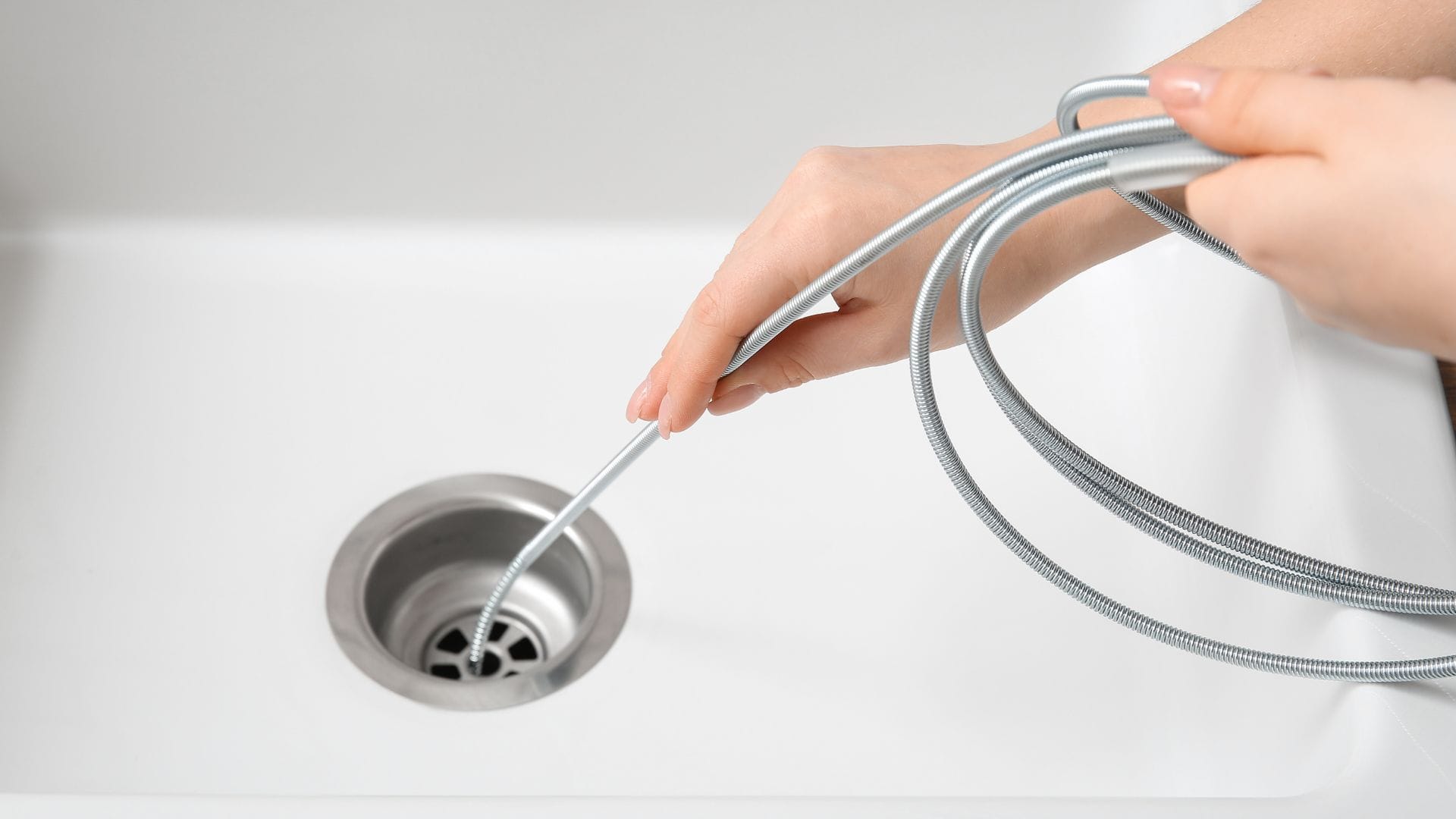
Liquid drain chemicals are the most profitable myth in the plumbing aisle. They generate heat that stresses pipes, rarely clear more than a narrow channel through the clog, and turn the standing water into a hazard for whoever works on the drain next — including you. If a plunger and a strainer haven't solved it, the honest next step is mechanical clearing, not a stronger bottle.
Know Your Early Warnings
Drains almost never block overnight. They slow for weeks first, gurgle as venting struggles, and smell as buildup accumulates. Acting during the slow phase means a quick, cheap visit; waiting for the full stop means standing water on a Sunday. If more than one fixture slows at once, call promptly — that pattern points at the main line, where waiting costs the most.