
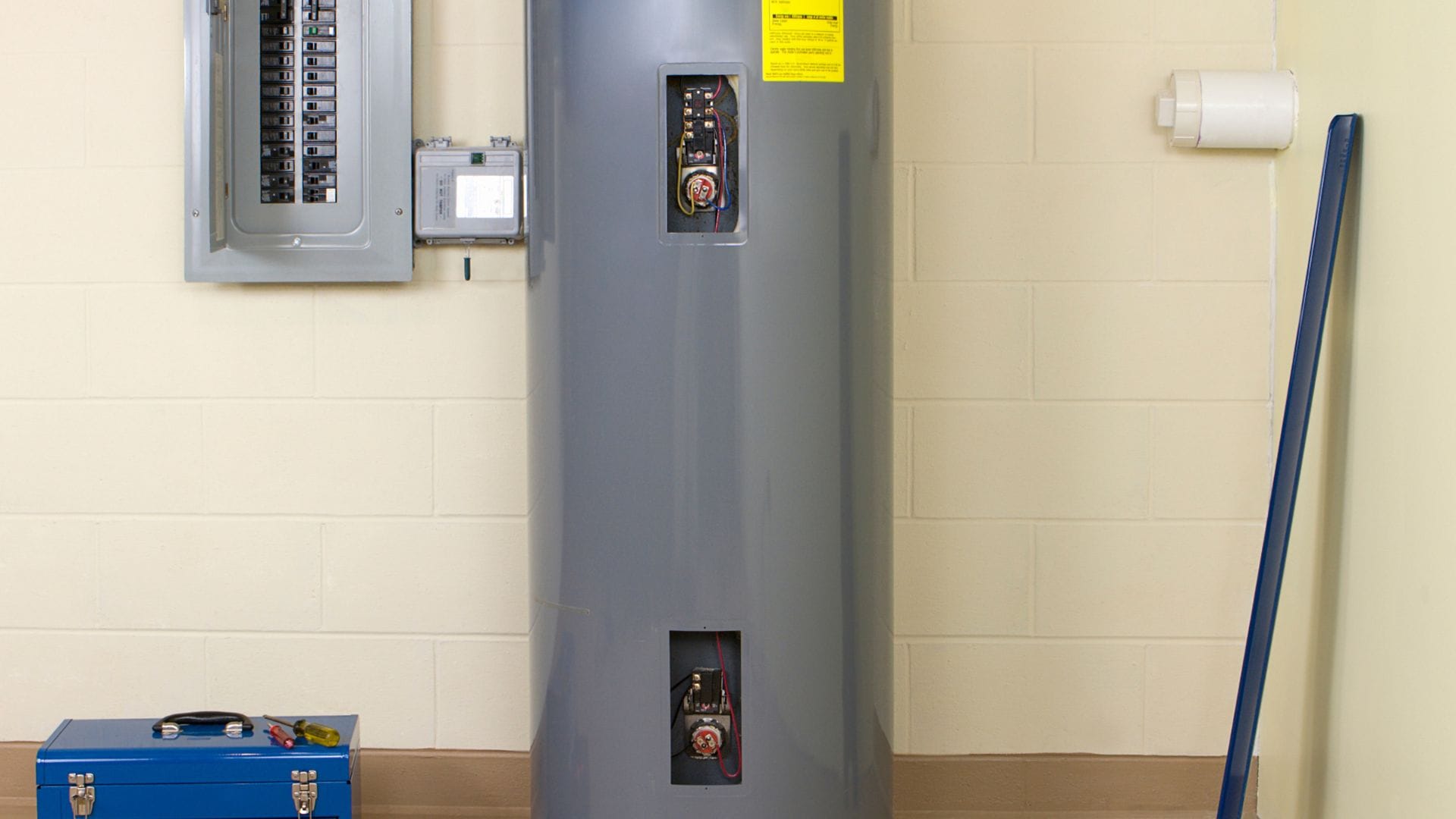
The Sounds a Dying Tank Makes
A healthy water heater is quiet. A failing one pops, rumbles, and crackles — the sound of water boiling underneath a layer of sediment baked onto the burner. Around Greenwood, our hard water builds that sediment layer faster than most places, which is why local tanks often announce their decline years before they quit.
Caught early, a flush removes the sediment and quiets the tank. Ignored, that layer overworks the burner, warps the steel, and shaves years off the unit's life. Rumbling is the cheapest warning you'll ever get — worth acting on.
What Your Hot Water Is Telling You
Rusty or metallic-tasting hot water — with cold water running clear — points at corrosion inside the tank, usually because the sacrificial anode rod is used up. Replaced in time, the rod is a cheap part that adds years. Once the tank walls start rusting, the countdown is real.
- Hot water runs out noticeably faster than last year
- Water takes longer to heat back up after use
- Temperature swings hot and cold mid-shower
- A sulfur or metallic smell only on the hot side
Moisture Where It Shouldn't Be
Check the floor around the base monthly. Dampness can be a loose fitting or a weeping valve — both fixable. But water seeping from the tank body itself means the inner shell has failed, and no repair reverses that. At that stage, replacement isn't upselling; it's physics.
A tank that lets go completely can dump 40–50 gallons plus everything the supply line feeds it. If your unit sits above finished space, take small leaks seriously and know where the shut-off valve is.
The Age & Repair Math
Tanks around central Indiana average 8–12 years — hard water working against them the whole time. Our honest rule: if the unit is past ten and the repair costs more than a third of a replacement, replacement usually wins. We put both flat numbers in front of you and let the math decide, not a commission.